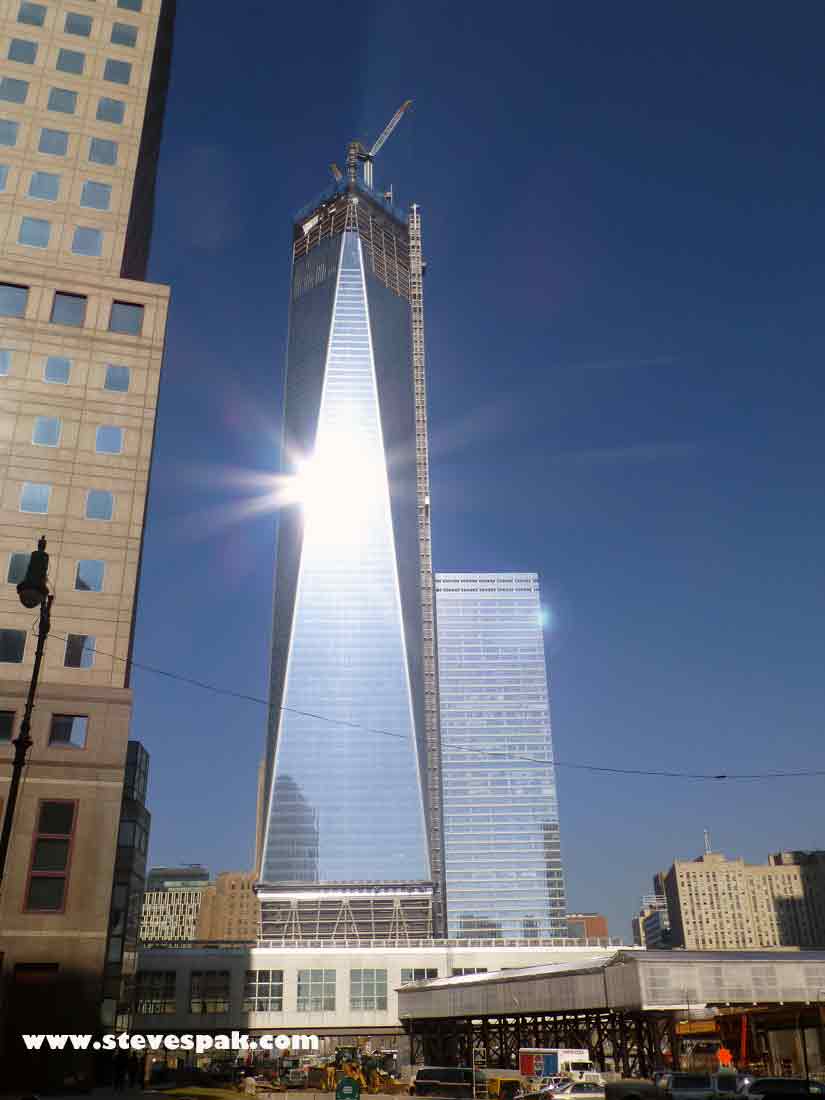

One World Trade Center was topped out May 3 with the hoisting of the last section of the building’s spire that will crown the building known as Freedom Tower. The Freedom Tower replaces on the New York City skyline the World Trade Center Twin Towers that were destroyed during the attacks of 9/11 in 2001.
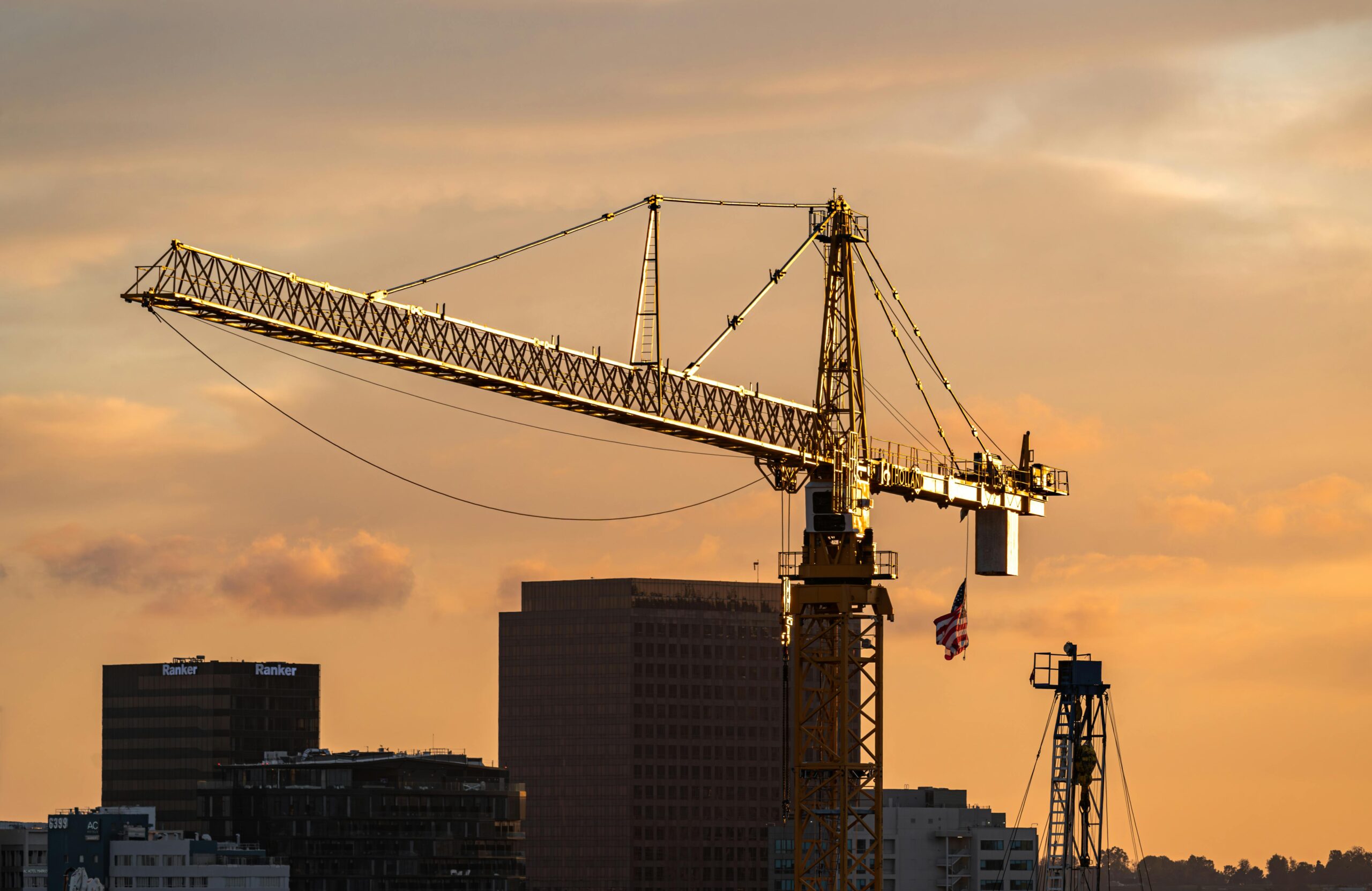
The rigging of the final sector of the spire, weighing more than 700 tons, included an American flag waving in the wind, a patriotic gesture that pleased hundreds of onlookers who came out to witness the event.
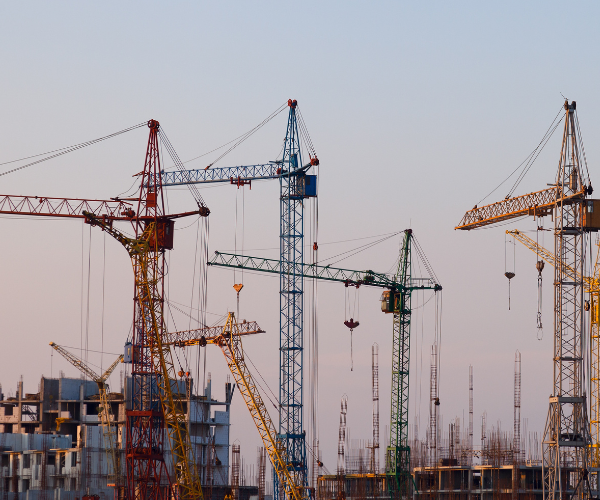
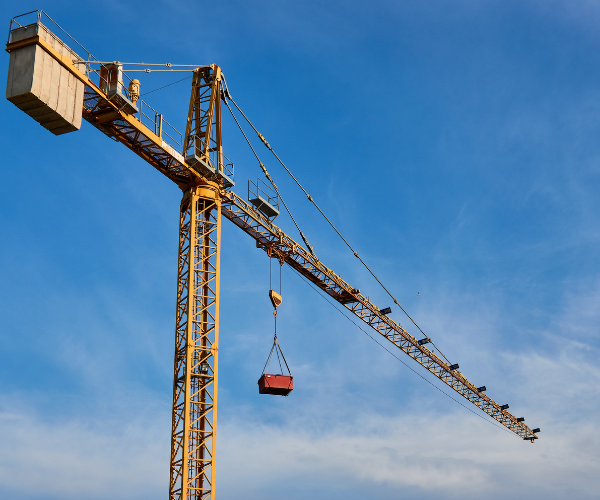
A Favelle Favco tower crane hoisted the spire to the top of the building. The spire reportedly will be temporarily housed on top of the building until it is permanently installed by ironworkers at some point this summer.
With the spire installed, the building will top out at 1,776 feet. The symbolic height, which memorializes the year in which the Declaration of Independence was signed, the Freedom Tower will be the tallest building in the Western Hemisphere, according to the Port Authority of New York.
The 408-foot spire will serve as a broadcast antenna and communications center for the building.
Photo; www.stevespak.com
Author; D.Ann Shiffler
Source: