
Weather has always shaped life in ways people hardly notice, from planting seasons to flight schedules. This article gives you everything you need to understand about anemometers and how these instruments changed modern weather forecasting, providing accurate wind measurements that were once impossible to obtain. Scientists and meteorologists could finally turn invisible air currents into clear data, helping predict storms, rainfall, and temperature shifts with confidence. Communities started preparing earlier for harsh weather, and farmers could plan harvests better. These devices quietly transformed forecasting, making predictions reliable and daily life safer. Measuring wind became a foundation for modern weather science.
Forecasting Before Anemometers
Before the invention of instruments to measure wind, people depended heavily on observation and experience to predict the weather. Farmers watched cloud formations and the movement of trees, while sailors relied on the feel of the wind and changes in the sea to decide when to set sail. Communities often noticed patterns in temperature, rainfall, and seasonal changes, but such methods gave only limited guidance. Storms could arrive suddenly, crops might fail, and daily work could be disrupted. Life required a tool that could turn invisible air currents into clear information, allowing decisions to be made with confidence rather than guesswork.
Why Observation Alone Wasn’t Enough
Relying solely on human senses and observation often led to errors because wind can change quickly and unpredictably. Feeling the breeze or seeing clouds move could provide a general idea of weather conditions, but it offered no reliable measure of wind speed or consistency. Farmers might notice a strong gust in the morning yet remain anaware that it would continue or shift direction later in the day. Sailors could detect sea currents, yet sudden storms could still arrive unexpectedly. Without a standard way to measure wind, communities faced uncertainty and had to make important decisions without dependable data.
Why Wind Speed Changed Everything
Accurately measuring wind speed introducted clarity and predictability that observation alone could never provide. Once scientists could record how fast air moved, patterns emerged that allowed early warnings for storms and extreme weather events. Farmers learned to protect crops and adjust irrigation schedules, while builders could safely plan high-risk tasks such as lifting heavy materials. Airports benefited from knowing the precise conditions affecting takeoffs and landings. The ability to quantify wind converted weather forecasting into a practical science, enabling people to plan ahead and react appropriately, reducing losses and improving safety in everyday life.
Anemometer Invention and Adoption
The development of the anemometer created a turning point in meteorology. Measuring wind became a standard practice, giving scientists a reliable way to record both speed and direction. Understanding anemometers reveals how this simple tool turned invisible air movements into valuable information that supports life and work across many sectors. Communities could now make evidence-based decisions, allowing farmers, construction teams, and public services to operate more confidently. The widespread adoption of anemometers formed the foundation for modern forecasting and safer daily routines.
The Cup Anemometer Breakthrough
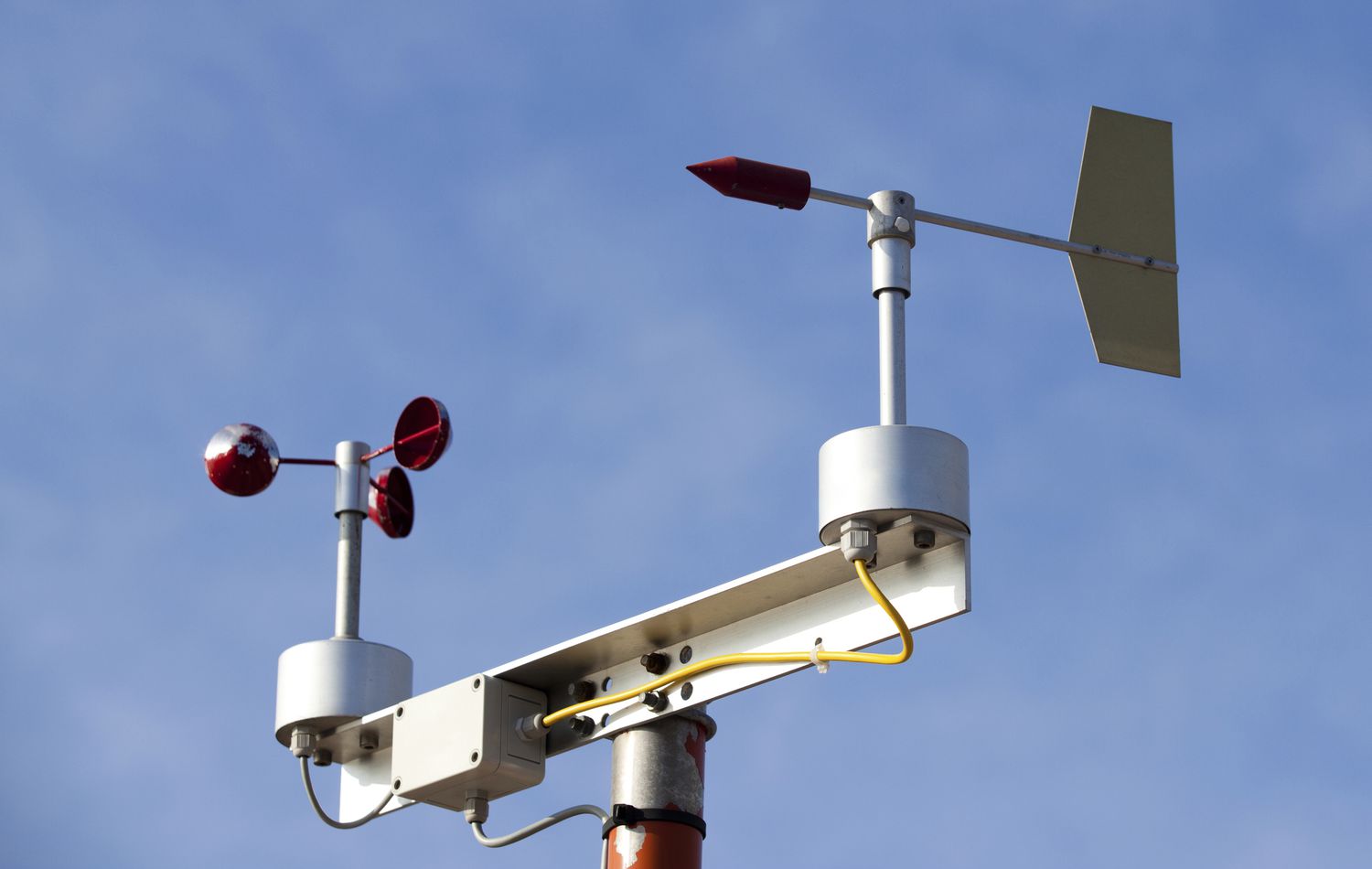
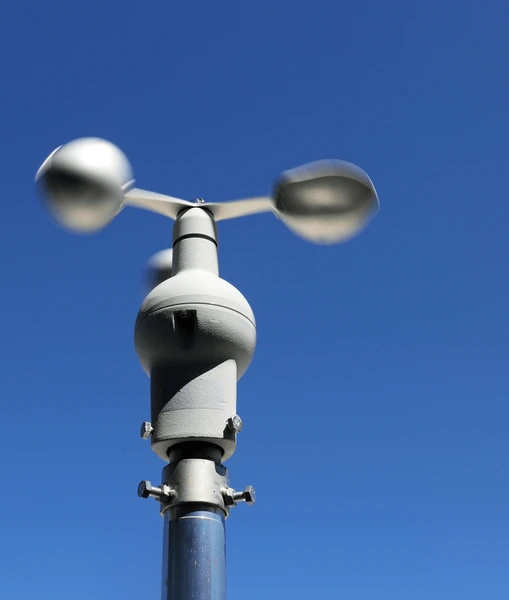
One of the most significant advancements was the cup anemometer, a device featuring several cups attached to a vertical spindle that span faster when the wind blew stronger. This simple mechanical design allowed continuous measuring and could be used in various locations. Scientists could now track changes throughout the day and observe patterns across seasons, providing repeatable and comparable results. The cup anemometer was robust and easy to use, making it a standard tool for meteorologists and allowing accurate wind measurement to reach more communities.
Weather Stations Start Recording Wind
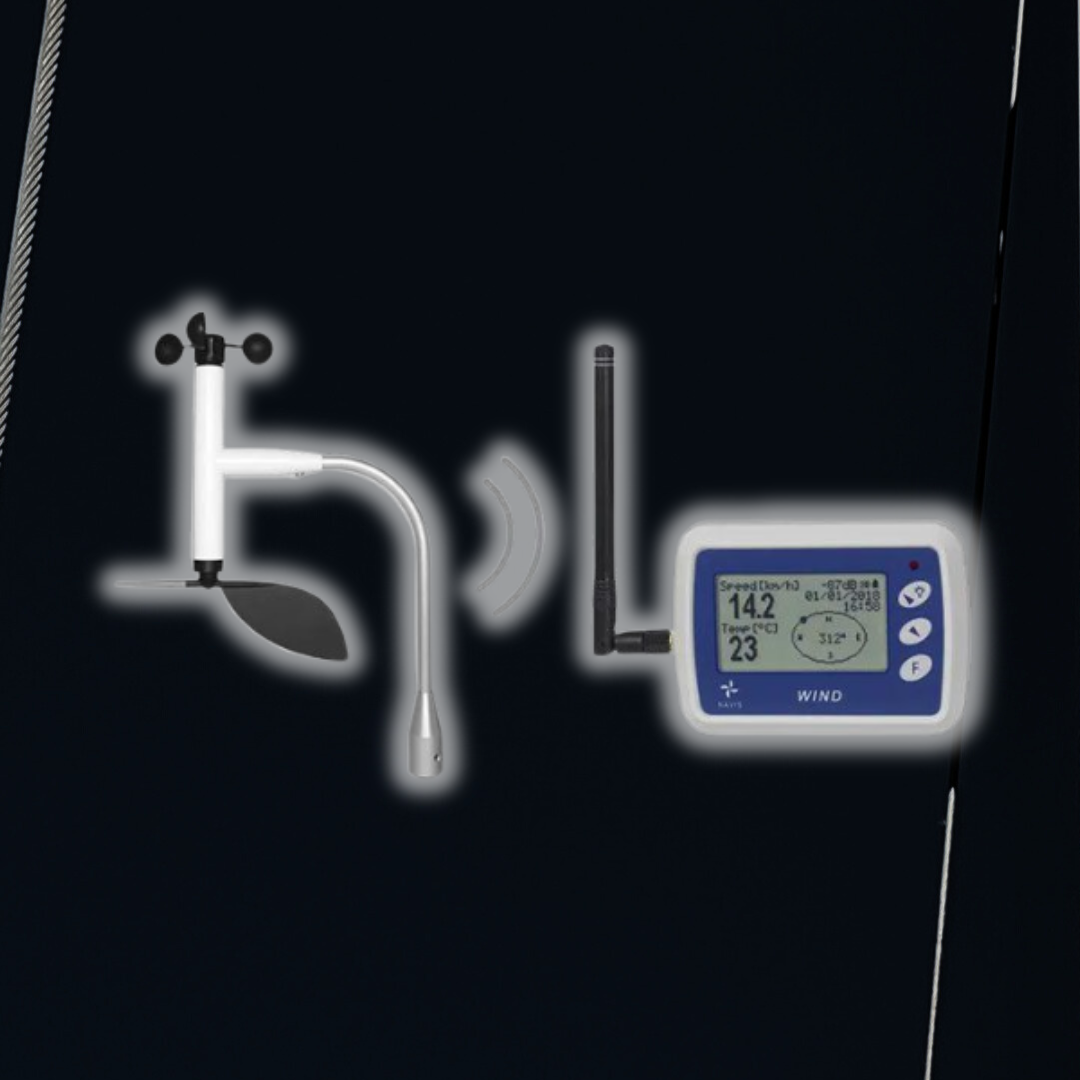
As anemometers became widely available, weather stations began including wind data in their daily reports. Observers could now record speed and direction regularly, providing clear insight into local conditions. Understanding the science behind measuring wind allowed meteorologists to interpret these readings more effectively. Farmers could plan planting and irrigation with reliable information, construction teams could schedule tasks safely, and shipping companies gained confidence in planning routes. Collecting wind data systematically transformed forecasting from guesswork into a professional science, enabling timely warnings and accurate predictions that improved community safety and productivity.
Wider Use in National Forecasting
Adopting anemometers at national levels created networks of weather stations, allowing scientists to compare readings and understand broader weather systems. Forecasts could cover regions rather than single towns, and authorities could issue timely alerts for storms, floods, and other hazards. Agriculture, aviation, and public safety all benefited from data collected in this way. Tracking wind across multiple locations allowed meteorologists to see patterns that would have been invisible through observation alone. National use of anemometers made weather prediction a coordinated effort, showing how a simple tool could influence lives, protect communities, and support planning across sectors.
Impact on Forecast Accuracy
Accurate wind measurement transformed weather predictions and how communities could respond to changing conditions. Before instruments provided precise data, forecasts often relied on guesswork or incomplete observations, which left farmers, pilots, and emergenty services vulnerable to sudden storms. The introduction of regular, reliable wind readings allowed meteorologists to see invisible patterns, improving both short-term and long-term forecasts. Communities could act earler, reducing damage and avoiding unnecessary risk. Understanding how the wind moved across different areas made planning safer, whether it involved harvesting crops, fliying aircraft, or scheduling construction projects.
Stronger Storm Predictions Became Possible
Storm prediction improved significantly once wind data was recorded systematically. Scientists could track the speed and direction of gusts leading up to heavy rainfall or dangerous weather. This allowed communities to receive warnings earler and respond in time. Farmers could secure crops, construction teams could postpone risky operations, and airport staff could adjust flights to avoid hazards. The ability to anticipate storms depended on observation and measurable information that gave forecasters confidence in their predictions. Wind measurements offered clarity that observation alone could not, helping people prepare for the forces of nature with information-ed decisions.
Better Inputs for Weather Models
Modern weather models relie on accurate data, and wind measurements have became a key part of this process. Scientists input speed and direction readings into computational models to simulate weather conditions across regions. These models could show how air currents would interact with other factors like temperature and humidity, producing more precise forecasts. Farmers, city planners, and disaster management teams could plan activities using these predictions. Collecting and analyzing wind data allowed meteorologists to create simulations closer to reality, giving communities the confidence to act proactively and minimize losses caused by unpredictable weather events.
Long-Term Trends Became Easier to Spot
Recording wind patterns over time revealed trends that were impossible to detect without instruments. Long-term observations allowed scientists to see seasonal shifts, changes in prevailing winds, and unusual patterns that could indicate upcoming storms or droughts. This information became useful for agriculture, water management, and urban planning. Communities could learn which periods of the year were safer for construction or planting and when to expect strong winds that might disrupt daily life. Understanding long-term trends helped decision-makers plan for the future, making forecasts not just reactive but also informative for long-term safety and productivity.
Role in Modern Forecasting Systems
Modern forecasting systems rely on technology and human expertise to provide accurate and timely information. Wind measurement is central to these systems, feeding into tools that track storms, temperature changes, and other weather events. Governments, farmers, and businesses now use this information to make safety, productivity, and efficiency decisions. Integrating wind data into forecasting systems shows how a simple instrument like the anemometer supports a complex network of observation, analysis, and communication, giving communities actionable information that improves daily life.
Used in Balloons, Satellites, and Drones
Wind data is now collected from various sources, including high-altitude balloons, satellites, and drones. Each of these tools provides readings from different perspectives, capturing the movement of air over wide regions and at varing altitudes. Combining these readings allows meteorologists to create a complete picture of current conditions, making forecasts more accurate and relevant to people on the ground. Observing wind from multiple angles ensures that predictions account for factors that might otherwise be missed, helping communities stay informed and prepared for sudden changes.
Feeds Data into Global Models
Local wind readings contribute to global weather models that track large-scale patterns across continents. Meteorologists can use this data to understand systems such as storms moving from one country to another or shifts in prevailing winds that affect crops and transport. Integrating accurate wind measurements into these models helps produce reliable forecasts across long distances and regions. Farmers, pilots, and emergency planners benefit from predictions that use local and global data to anticipate risks and opportunities.
Supports Public Safety Alerts
Wind measurement also supports public safety by issuing alerts for severe weather. Early warnings about high winds or approaching storms allow communities to protect property, secure infrastructure, and evacuate when necessary. Accurate forecasting reduces the likelihood of accidents and damage, giving families and organizations confidence to act. The insights gained from wind measurements ensure that emergenty services can respond effectively, saving lives and minimizing disruptions caused by unpredictable weather events.
Localized Forecasting Applications
Communities have benefited greatly from the ability to track wind in real time and in specific locations. Knowing how wind behaves locally allows people to plan activities safely and efficiently. Once general weather information can now be precise, helping farmers, construction teams, airports, and coastal communities respond to conditions that affect their daily work. Localized forecasting ensures timely and relevant warnings, making life safer and operations smoother across different sectors. Using anemometers and wind monitoring tools has brought forecasting closer to people, turning abstract weather patterns into practical guidance for everyday decisions.
Wind Alerts at Airports
Airports rely heavily on wind measurements to manage flights. Accurate readings inform take-offs, landings, and runway operations, reducing the risk of accidents caused by sudden gusts or shifting wind directions. Meteorologists provide alerts based on current and predicted conditions, helping pilots plan routes safely. Ground crews can schedule tasks knowing when winds will be manageable, ensuring passenger safety and protecting airport equipment. These local alerts allow airports to operate efficiently even when strong winds or storms occur, keeping travellers and staff informed and prepared.
Wind Guidance for Farms
Farmers benefit from precise wind data when planning irrigation, spraying crops, and harvesting. Sudden gusts can damage plants or affect the distribution of fertilizers and pesticides. By monitoring local wind patterns, farmers can take protective measures, schedule tasks for calmer periods, and reduce losses. Understanding how the wind moves across fields allows better crop management and resource use, helping communities produce food reliably and protect livelihoods. Local forecasts give farmers practical tools to make informed decisions directly impacting their daily work and long-term productivity.
Safer Construction Sites
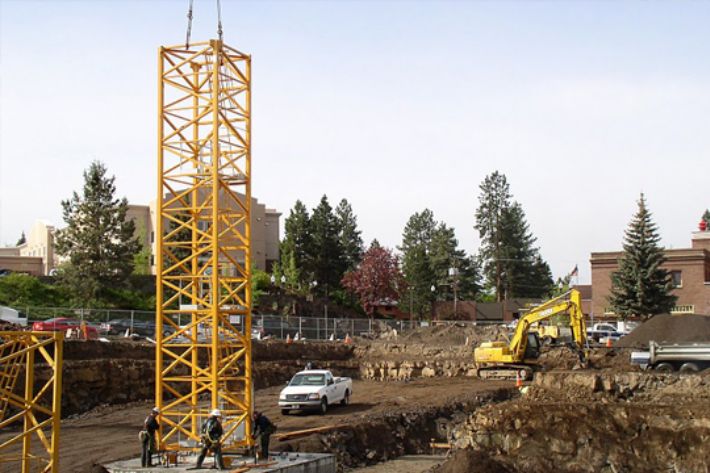
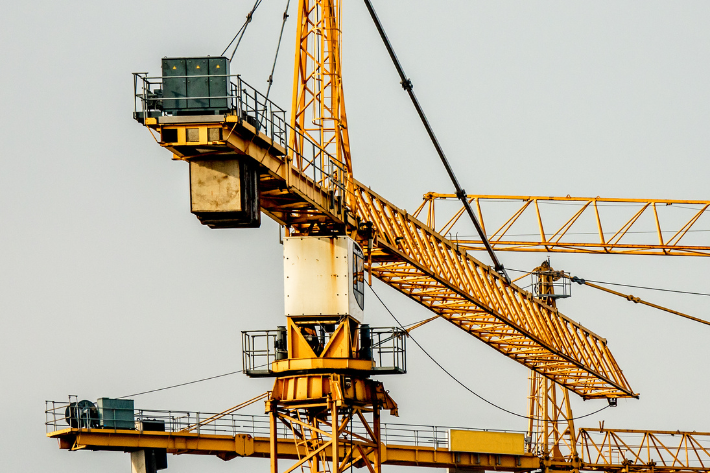
Construction teams depend on accurate wind readings to maintain safety during lifting operations and work at height. Unexpected gusts can put workers and equipment at risk, but forecasting localized wind conditions allows supervisors to schedule tasks safely. Knowing when winds will be strongest or lightest helps crews plan hoisting, crane use, and scaffolding operations. This careful approach reduces accidents, prevents delays, and protects both workers and materials. Communities benefit from safer infrastructure projects that are completed on schedule without compromising safety.
Coastal and Marine Warnings
Fishing communities and shipping companies rely on local wind forecasts to navigate waters safely. Sudden storms or strong winds can endanger boats, delay transport, and affect fishing schedules. Localized forecasting provides timely warnings, helping crews avoid dangerous areas and plan safer routes. Coastal communities can prepare for potential damage to property, ports, and marine equipment, reducing losses and keeping people safe. Accurate local wind data gives those who work on or near water the confidence to act wisely, protecting lives and livelihoods.
Future Outlook
The future of wind measurement promises even more precise forecasts and wider coverage. Advances in sensors, drones, and satellite technology will allow real-time monitoring across cities, farms, and coastal areas. Communities will benefit from earlier warnings, safer operations, and better planning for daily life and extreme weather events.
Conclusion
Understanding wind helps people plan, stay safe, and protect resources. Localized forecasting has transformed daily operations for airports, farms, construction sites, and coastal communities. To learn more about how wind impacts work and safety, visit Crane Blogger and discover insights that can guide your decisions today.