Wind touches everyday life in many small ways, even if people do not always notice it. The cool breeze that passes through a window, the strong gust that shakes a roof, or the steady wind that keeps a farm turbine turning all show its power. Anemometers are the tools that help measure this moving air, turning something invisible into clear numbers that can guide decisions. Farmers, builders, drivers, and weather experts depend on these readings to plan their work and stay safe. Understanding how anemometers function makes wind feel less distant and more connected to our daily lives.
What an Anemometer Does
Understanding anemometers starts with the simple fact that they measure the speed and movement of wind. Wind is invisible, but its effects are felt everywhere, from bending trees to pushing a boat across a lake. An anemometer turns this moving air into numbers that people can read and use. Farmers can decide when to spray their crops, builders can know if it is safe to lift heavy materials, and pilots can prepare for smooth or rough flights. Learning why anemometers matter helps show how these tools guide daily choices. They come in different designs, each made to capture wind in its own way.
Cup Anemometers
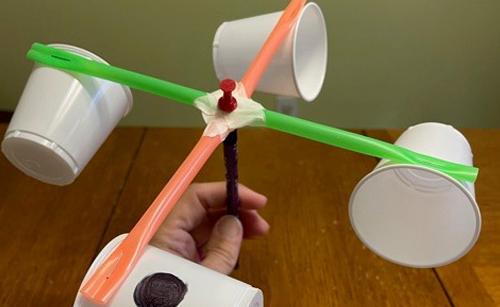
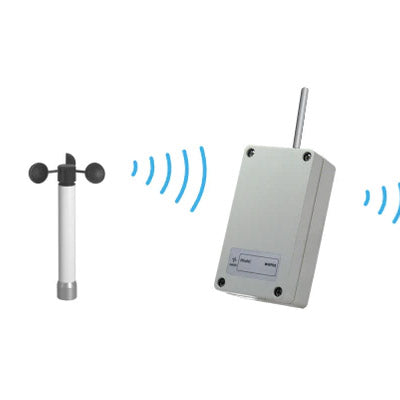
Cup anemometers are among the oldest and most common types. They use small cups mounted on arms that spin when wind passes through. The faster the cups turn, the stronger the wind. Many weather stations in towns and schools use this design because it is simple and reliable. People who see them often describe them as looking like a toy on top of a pole, yet the data they provide is very serious and useful.
Vane Anemometers
Vane anemometers look like small fans. Instead of cups, they have blades that rotate when the wind flows through them. They are handy because they can show both wind speed and direction. A vane anemometer can help workers on a site check how fast the wind is moving and where it is coming from, making their readings even more practical.
Hot-Wire Anemometers
Hot-wire anemometers use a fine wire that is heated by electricity. When wind passes across the wire, it cools down, and the cooling effect is measured to find wind speed. These are very sensitive and are often used in research or testing air movement inside buildings. Though they may look small and delicate, the readings are detailed and precise.
Ultrasonic Anemometers
Ultrasonic anemometers have no moving parts. Instead, they send sound waves between sensors, and the time it takes for the waves to travel shows how fast the wind is moving. They work well in harsh conditions because there are no cups or blades that can wear out. Airports, offshore rigs, and wind farms use them often since they give accurate data even in strong weather.
Pitot Tube (Pressure-Based) Anemometers
Pitot tube anemometers measure wind by comparing air pressure. A small tube faces the wind, and the difference in pressure between the front and side of the tube shows the speed of the air. This design is widely used in aircraft because it gives quick and steady readings that pilots need during flight. Engineers also use them in ventilation systems to check airflow in pipes and ducts.
Why We Measure Wind
People often feel wind brushing across their face, moving through the trees, or pushing against a rooftop, yet few stop to think about how much it affects daily life. The truth is that wind influences farming, travel, construction, and even how we produce electricity. Measuring it with anemometers turns invisible movement into clear information that people can use. This data supports better planning, stronger safety, and cleaner energy, showing why anemometers matter for both work and everyday living.
Safety on Construction Sites and Crane Operations
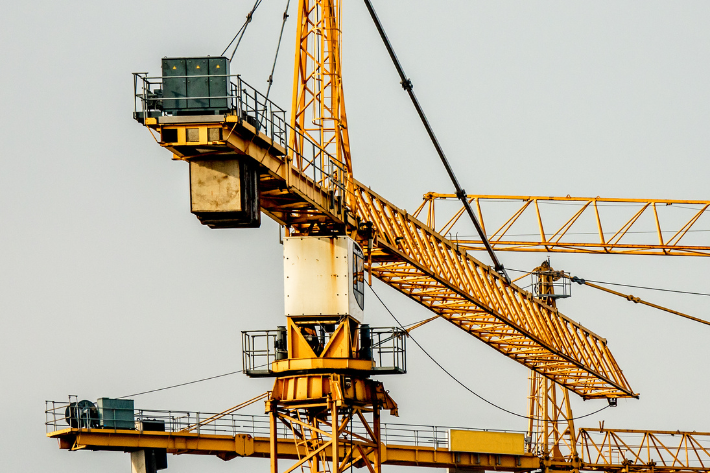
Anyone who has watched a crane lift heavy materials knows how risky it can become when strong wind picks up. Loads can sway, machines can become unstable, and workers may suddenly find themselves in unsafe conditions. Site managers rely on anemometers to guide decisions, allowing them to pause work or continue with confidence. These measurements protect those on site and the pedestrians passing nearby in places where tall buildings are rising. The safety of many lives depends on understanding the wind before taking action.
Weather Forecasting and Storm Tracking
Communities everywhere depend on accurate weather forecasts, and wind is one of the key pieces of information that makes those forecasts possible. Meteorologists track wind patterns to predict storms, rainfall, and even long dry spells. Farmers look to this data when planning to sow or harvest crops, while fishermen need it before heading into lakes and coastal waters where high winds can quickly turn dangerous. Families also benefit because early warnings give them time to prepare for heavy rain or strong storms. These measurements are part of everyday protection and planning.
Designing Structures That Can Handle the Wind
Before a bridge is built, a house is roofed, or a tall tower is raised, engineers study how wind will act against the structure. Strong gusts can loosen weak designs, and constant pressure can weaken materials over time. By using wind measurements, builders create safer and long-lasting structures. Without this knowledge, projects would carry higher risks for users and owners, making reliable data an important part of every design.
Improving Wind Energy Efficiency
Wind energy continues to expand as a clean power source, and success depends heavily on accurate wind measurement. Turbines must be placed where the wind is steady enough to produce consistent electricity. Engineers use data from anemometers to decide the best sites, to manage the machines, and to increase output. Communities benefit when the electricity supply becomes more reliable, showing how measuring wind supports both development and everyday comfort.
How Anemometers Work
When people watch trees bend, kites soar in the sky, or roofs shake during heavy storms, they often wonder about the invisible power at work behind it all. The real question many ask is why do we measure wind, and the answer lies in the tools that turn moving air into numbers we can understand. Anemometers provide that clarity, giving farmers, builders, pilots, and even power companies the information they need to make better daily decisions. Different designs may use cups, vanes, or digital sensors, but they all share one purpose: showing us how fast air moves and how it behaves.
Cup Anemometers
The design of cup anemometers is simple but very clever. Small cups are fixed to arms that spin whenever the wind blows against them. The stronger the wind, the faster the cups rotate, and that speed is changed into a reading. Many weather stations use this type because it is easy to maintain and provides reliable results. People in villages and towns alike have seen these instruments standing tall near schools or stations, quietly spinning as they gather information.
Vane Anemometers
A vane anemometer works like a hand fan turned into a measuring tool. Its blades are shaped to catch the wind, and as the wind pushes them, the movement shows both direction and speed. Builders often use them on sites to quickly check the conditions before lifting materials or using cranes. The readings are easy to understand, which makes them useful even for workers who are not specialists in weather studies.
Hot-Wire Anemometers
Hot-wire anemometers rely on heat instead of moving parts. A very thin wire is heated with electricity, which cools down when the wind passes over it. The rate of cooling is then used to calculate wind speed. These are mostly used in research or industries where small airflow changes matter a lot. They can measure even gentle breezes that other tools might miss.
Ultrasonic Anemometers
Instead of cups or wires, ultrasonic anemometers use sound waves. Tiny sensors send signals back and forth, and the time the waves travel changes depending on the wind. This method gives quick and accurate results, which is why they are used at airports and in scientific projects. Their design also means that no moving parts can wear out easily.
Pitot Tube Anemometers
Pitot tube anemometers work by comparing air pressure. One tube faces the wind and measures the pressure of moving air, while another measures still air. The difference between the two shows the speed of the wind. Pilots often depend on this tool to guide safe flights, especially when landing or taking off. Engineers also use them in factories to measure airflow in machines.
Industry Applications
Different industries rely on wind readings in ways that touch daily life, sometimes without people noticing. The accuracy behind these readings is the same foundation of how an anemometer changed modern weather forecasting, since turning raw wind patterns into reliable data has made planning and safety more precise. Each sector applies the information slightly differently, but all depend on accurate measurements.
Meteorology and Forecasting
Weather experts depend on anemometers to track wind speed and direction. Accurate wind data allows them to give forecasts that farmers, fishermen, and families can trust when planning their day. A sudden change in wind can mean an approaching storm, so these measurements help save lives and reduce damage.
Marine and Offshore Use
Sailors and offshore workers know how quickly weather can change at sea. Strong winds can push vessels off course, while sudden gusts can make conditions dangerous. Anemometers installed on ships and platforms provide constant updates, giving crews the information they need to adjust safely and protect both people and equipment.
Construction and Crane Operations
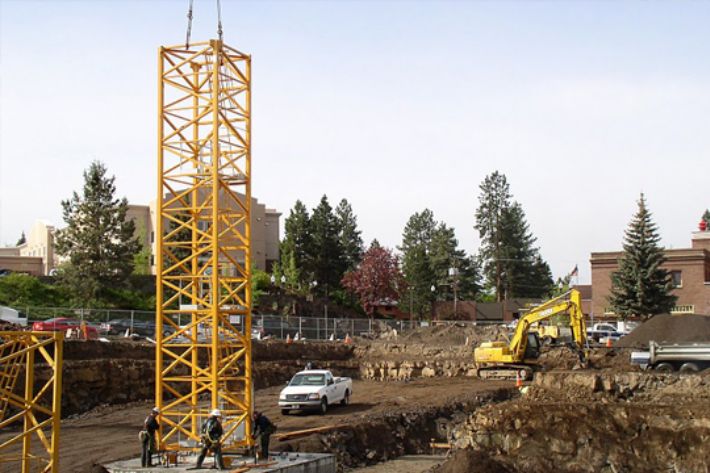
Large building projects often involve lifting heavy materials high above the ground. Even a strong gust of wind can swing a crane load or destabilize scaffolding. Engineers and site managers use wind measurements to decide whether work can continue or pause until conditions are safe. This reduces accidents and keeps workers protected.
Wind Energy Monitoring
Wind farms depend on accurate data to keep turbines running at their best. Anemometers placed on towers record the strength and direction of air movement, helping operators know how much energy will be produced. Reliable readings allow better power supply planning and reduce waste.
Aviation Safety and Flight Management
Airports use anemometers to guide planes during takeoff and landing. Pilots need exact wind speed and direction details to keep flights safe and smooth. Even small changes can affect how an aircraft approaches a runway, making these instruments a permanent part of aviation safety.
Choosing the Right Anemometer
Selecting the right anemometer needs careful thought because the choice will affect the quality of information you get and how useful it will be in real situations. Farmers, builders, pilots, and energy workers depend on wind readings, meaning the tool must dependably fit the job.
Accuracy and Reliability
Every wind reading must give figures that people can trust. A small error may seem harmless, but it can affect decisions like when to spray crops or when to lift materials on a crane. A reliable anemometer gives steady results even when the wind changes suddenly, and that makes the difference between good planning and guesswork.
Durability and Weather Resistance
Strong sunlight, heavy rain, and dust can damage weak equipment. An anemometer built to handle tough weather conditions will last a long time without failing when it is most needed. Farmers in open fields or engineers on offshore projects require tools that can withstand such conditions while still giving correct readings.
Mounting Type and Use Case
The way an anemometer is placed affects its performance. Some are fixed on tall masts for weather stations, others are fitted on boats or cranes, and handheld types are useful for quick checks. Picking the right mounting style means the tool can do its work without obstruction or giving false results.
Useful Features That Support the Job
Extra features such as digital displays, data logging, or computer connection can make wind readings easier to use and share. While the basic task is to measure wind, these additions help different industries save time and work more efficiently. A careful balance between accuracy, durability, mounting style, and features will always lead to the right choice.
Maintenance & Calibration
An anemometer gives its best service when it is cared for properly, which means checking it often and ensuring it measures wind correctly. A small reading mistake can affect farming, flying, or construction decisions, so regular maintenance becomes a habit that saves people from bigger problems later. Cleaning away dust, checking moving parts, and testing accuracy helps keep the tool dependable for daily use.
Calibration Should Match Use and Environment
Every location has its own conditions, and calibration needs to reflect that reality. A unit used in a calm inland area may need different adjustment compared to one placed on a windy coastal site. A weather station may also require tighter accuracy than a handheld device used for quick checks. When calibration is matched to how and where the anemometer is used, the data becomes more reliable and supports better planning.
Knowing When to Replace or Upgrade
Even the strongest tools wear out with time. Bearings may loosen, electronic parts may weaken, and readings may slowly drift away from accuracy. Replacement or upgrade is the wise choice when fixing no longer restores dependable results. Choosing a newer model with a stronger build or better features can improve work and save time in the long run.
Conclusion
Air movement has always shaped how people live, travel, and work, yet wind itself cannot be seen. When it is measured with tools like anemometers, it becomes knowledge that farmers, builders, and pilots can use to make safer and smarter choices. These measurements guide planning, reduce risks, and even save costs. Wind will never stop blowing, so knowing how to measure and use it will always be important for communities everywhere. If you want to discover practical ways wind measurement supports daily life, learn more on Crane Blogger.